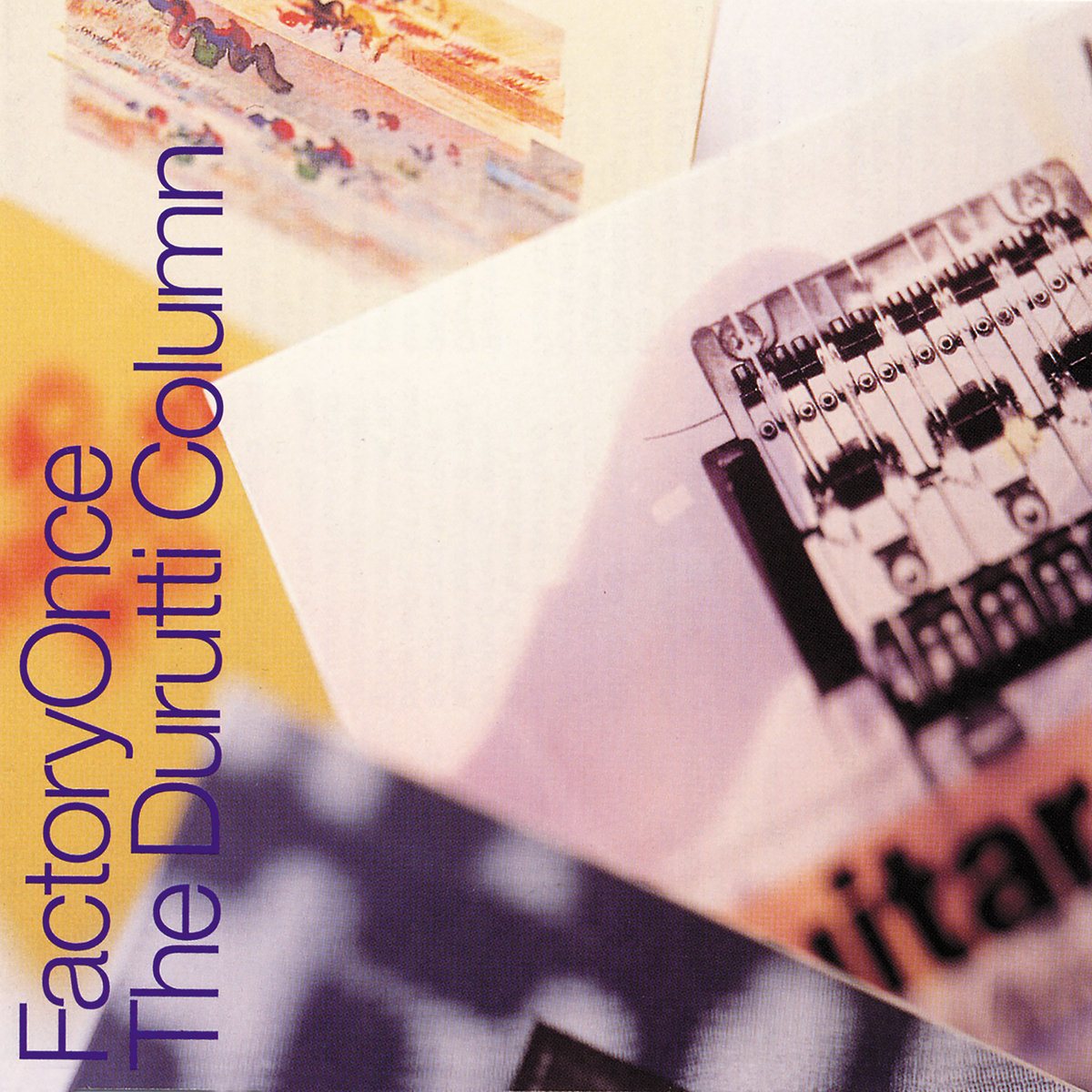
Tony Wilson had a way of solving his artists' problems before they had noticed the problem existed. In 1987 he turned up at Vini Reilly's door with a Yamaha sequencer and an Oberheim drum machine, more or less telling him to use them. The result was The Guitar and Other Machines, released that year on Factory Records, an album that finds Reilly doing something he had spent a decade carefully avoiding: letting something other than his own fingers decide where a song went next.
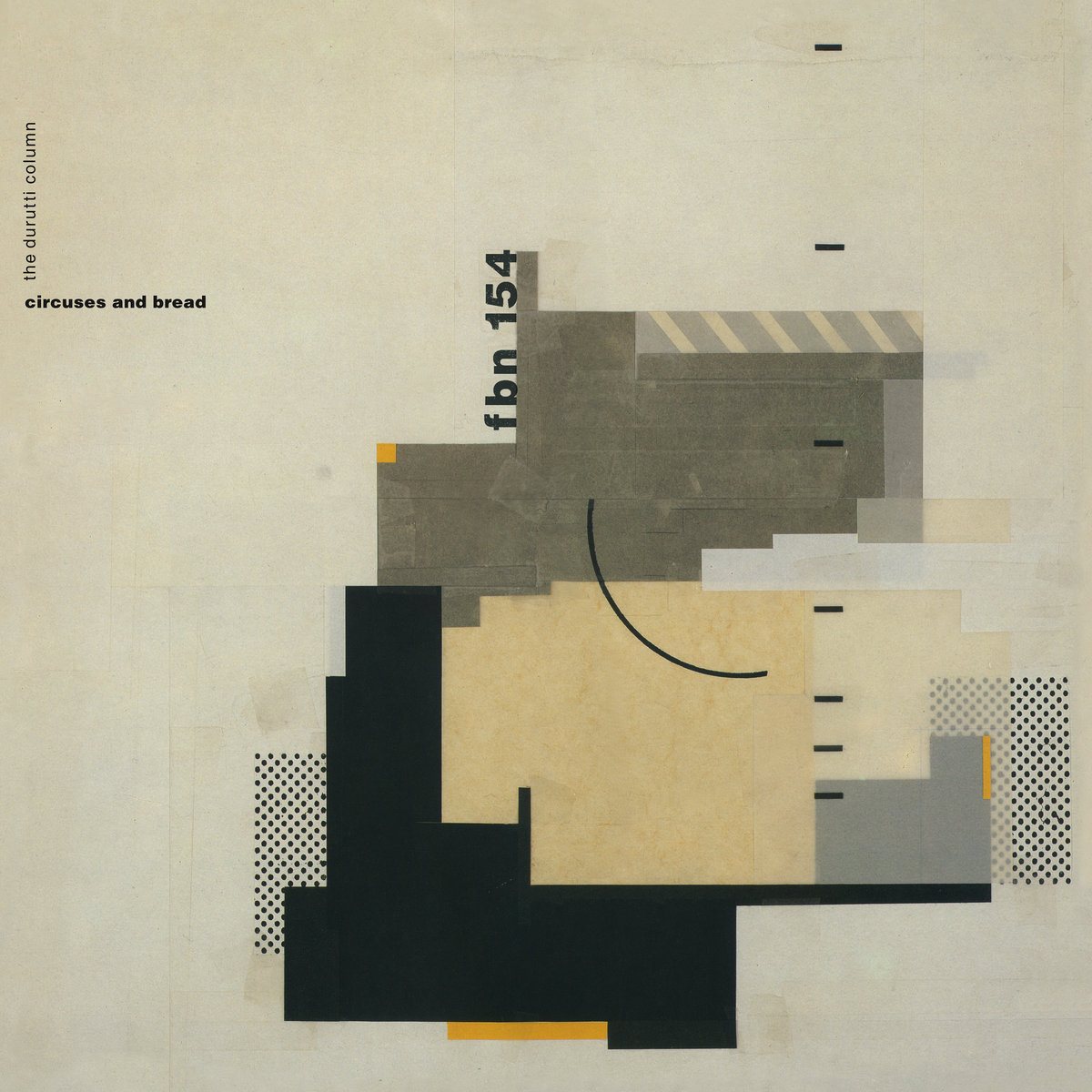
By 1987 Reilly had built one of the most recognisable guitar sounds in British music without raising his voice. His playing was clean, fluid and unhurried, closer to the phrasing of jazz or flamenco than to anything his post-punk contemporaries were doing at Factory or anywhere else. As a teenager he had been offered a trial by Manchester City and turned it down for music, a small early sign of someone who preferred to make his own decisions about what he was for. He had been Wilson's first signing to the label a decade earlier, arriving by way of a brief stint in Ed Banger and the Nosebleeds, and had spent the years since establishing The Durutti Column as a name that meant restraint in a scene built on noise.
None of that restraint survives the opening seconds of Arpeggiator.
The track sets John Metcalfe's viola, plucked and then bowed, against a barrage of synthesiser patterns and a drum machine that refuses to let up, with Reilly's guitar line pushed further towards outright rock than anywhere else in his catalogue. Stephen Street, fresh from producing The Smiths, oversees the record and plays bass on English Landscape Tradition; Bruce Mitchell, the group's longstanding drummer, works the DMX alongside his kit, and Stanton Miranda and Pauline Harrison, known as Pol, supply vocals that soften the album's harder edges.
It would have been easy, in 1987, to read The Guitar and Other Machines as Reilly chasing the dancefloor sounds New Order had already made commercially unavoidable, a label-mate's success it would have cost him nothing to borrow from. That is not what happens here. The machines do not replace the guitar so much as argue with it, and the album is more interesting for the argument never quite resolving. Where Technique streamlined New Order into pop, Reilly used the same tools to make his music stranger, not simpler, more inward rather than more danceable.
It is a record that could only have come out of Factory's particular ecosystem: a label run by a man who bought his artists synthesisers instead of asking what they wanted, and a guitarist stubborn enough to make the gift sound like his idea all along.