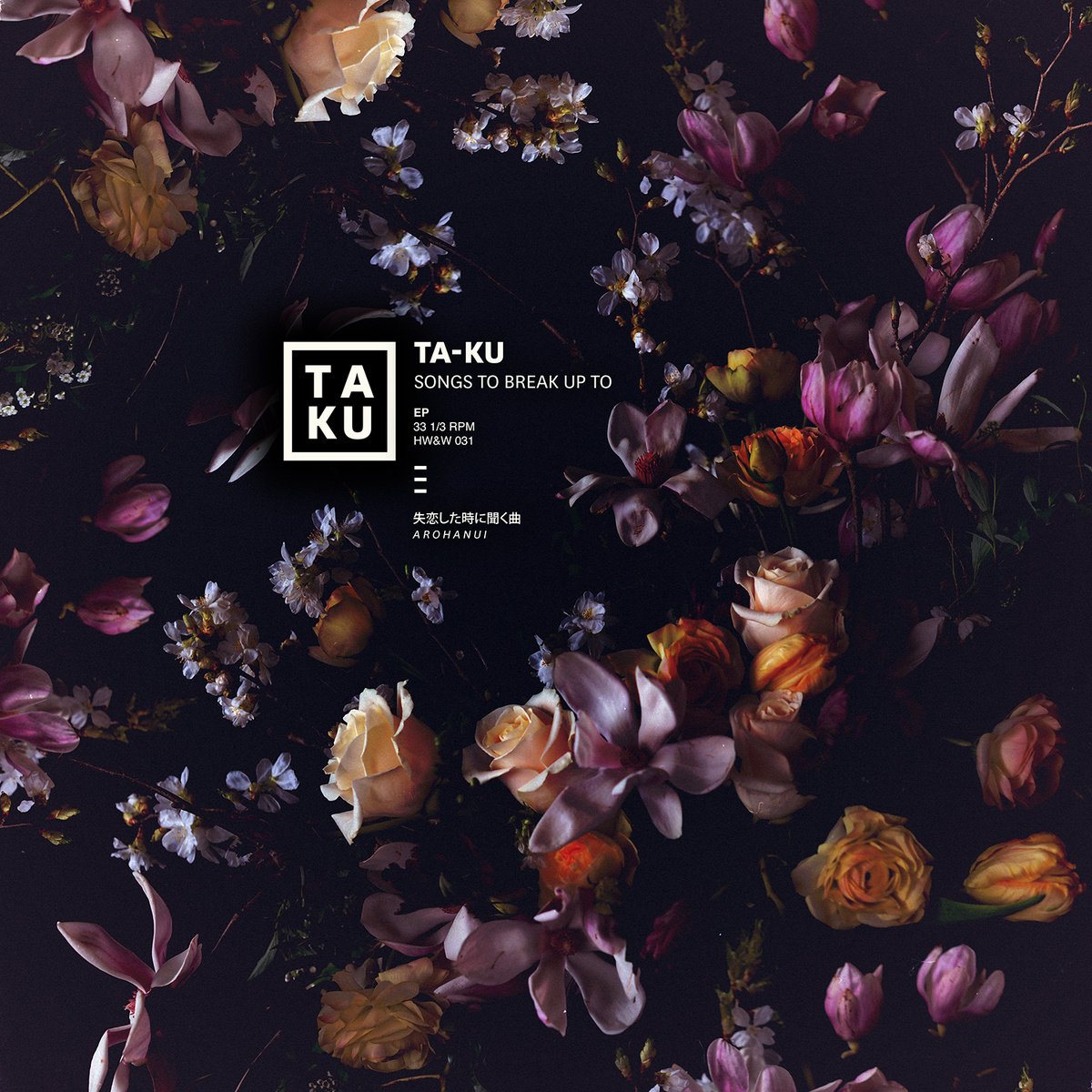
The Bandcamp page files it under HW&W Recordings, the Los Angeles label founded in 2011 that had already put out Ta-ku's Latenyc and both volumes of 50 Days for Dilla. But Songs To Break Up To belongs to one man: Regan Mathews, a producer from Perth, Western Australia, who by 2013 had spent the better part of a decade building beats in the hours left over from a sales job at Medibank. The record came out on 8 October 2013, ten tracks in thirty-six minutes, and it remains the moment his catalogue stops being a series of exercises and becomes a body of work.
The exercises matter, though, because they explain the discipline. The 50 Days for Dilla project was exactly what it said: one beat a day for fifty days, in homage to the Detroit producer whose swing had shaped the whole post-Stones Throw generation. He would do it again with 25 Nights for Nujabes. Those tributes taught him to work fast and cleanly, but they also kept him in someone else's language. Songs To Break Up To is where he found his own, and the striking thing is how little of it is spoken.
The tracklist reads like a diary written in chapter headings: Beginning To End, Heartbreak (Sinking), I Miss You, Love Lost, We Were In Love, Healing (Hope You're Well), Moving On. Only three pieces carry a voice at all. Atu appears on I Miss You More, Thandiwe Phoenix on Wasted Time, Ebrahim on the closing Descent, and each is used as texture rather than testimony. The rest is drum programming that drags slightly behind the pulse, piano and Rhodes figures that resolve a beat later than expected, vocal fragments pitched up until they sound like memory rather than speech. It is sad music that never begs, and that reticence is the point. Where his contemporaries in the beat scene of the time reached for bass-heavy release, Mathews kept the dynamic range narrow and let the sequencing do the emotional work.
The sequencing was the argument. Listened to in order, the record traces something like a recovery arc, and the framing worked in a way instrumental hip-hop rarely does commercially: it reached number 18 on the ARIA Albums Chart and earned a nomination for Best Independent Dance/Electronic Album at the Australian Independent Record Awards. For a record with no radio single and almost no lyrics, that is a measure of how completely the mood landed.
What followed confirmed it was a design rather than an accident. Songs To Make Up To arrived in 2015 on Future Classic as the explicit second half, and in 2016 the collaborative EP (m)edian with Wafia gave his melancholy a full singing partner. Mathews has since spread himself across photography and a barbershop he co-owned in Northbridge, but the 2013 record is still the template for the Ta-ku sound: patient, unshowy, and certain that the space around a note carries as much feeling as the note itself.