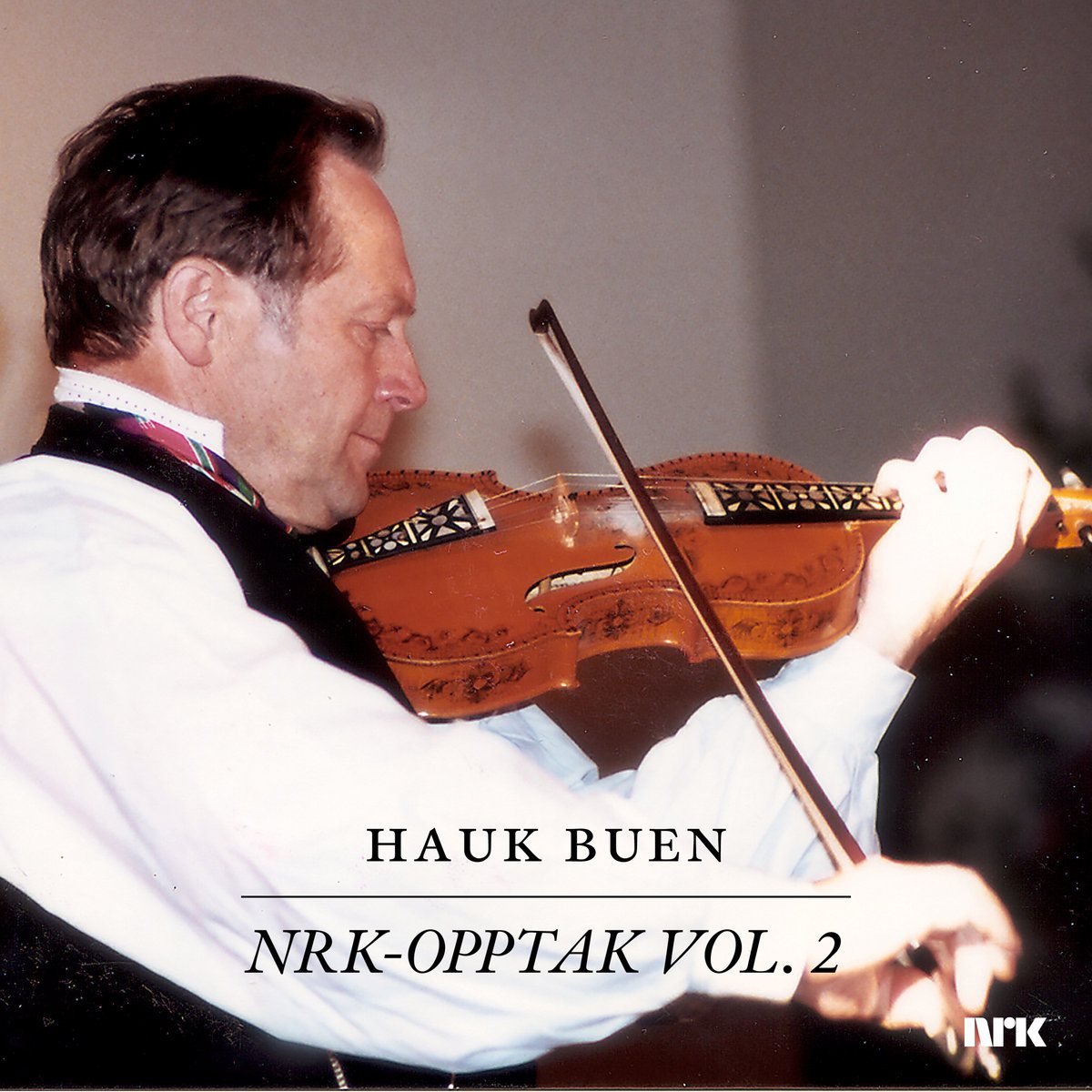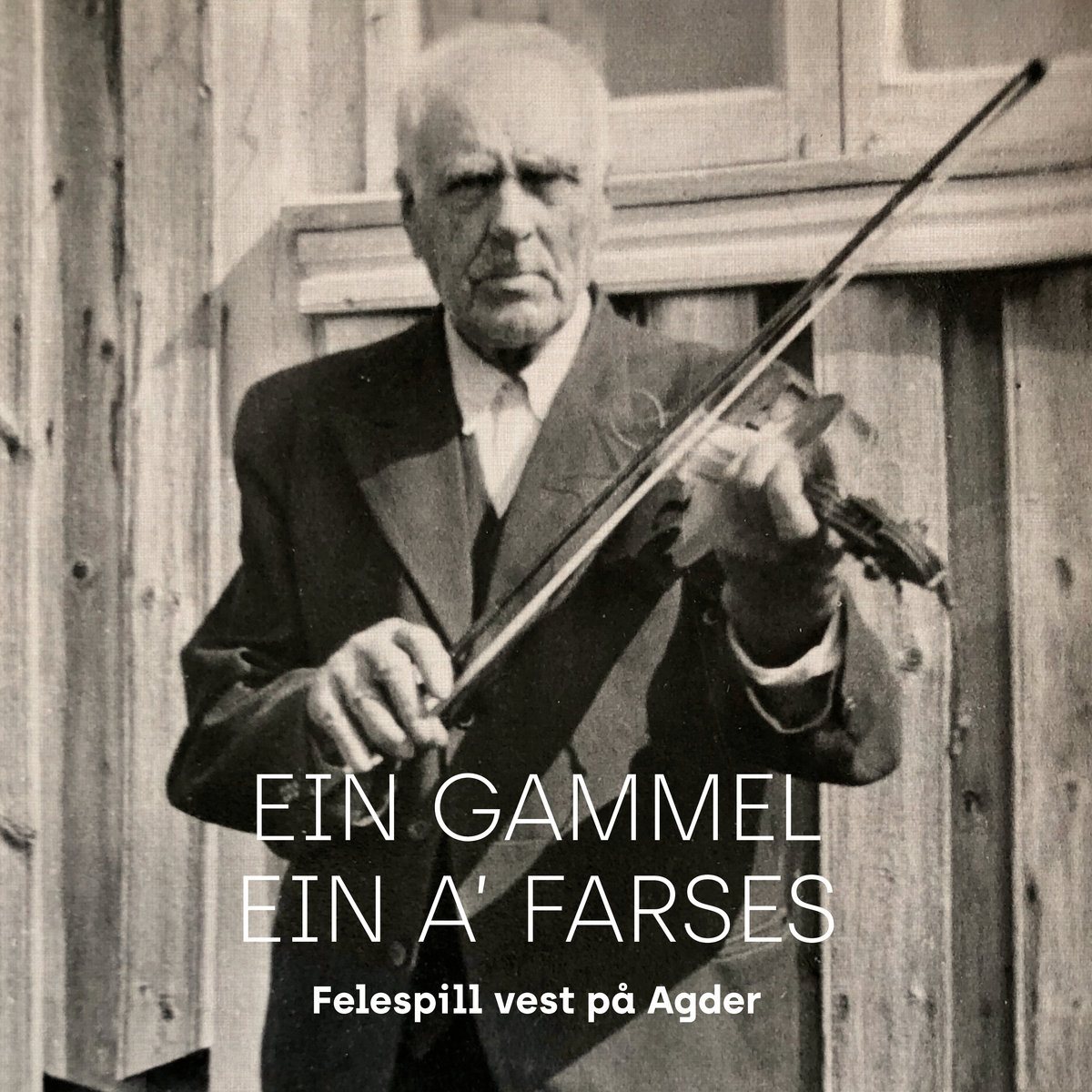
The Hardanger fiddle carries a peculiar burden. With its sympathetic strings humming beneath the bowed ones, it sounds like a place before it sounds like a player, and most of the musicians who take it up spend their lives serving a regional repertoire. Nils Økland, born in Haugesund in 1961, has spent four decades politely refusing that job. He studied the instrument with Knut Hamre and Sigbjørn Bernhoft Osa, spent six years as musical director of the Ole Bull Academy in Voss, and knows the tradition well enough to be trusted with it. What he does instead is treat the fiddle as an instrument rather than an inheritance.
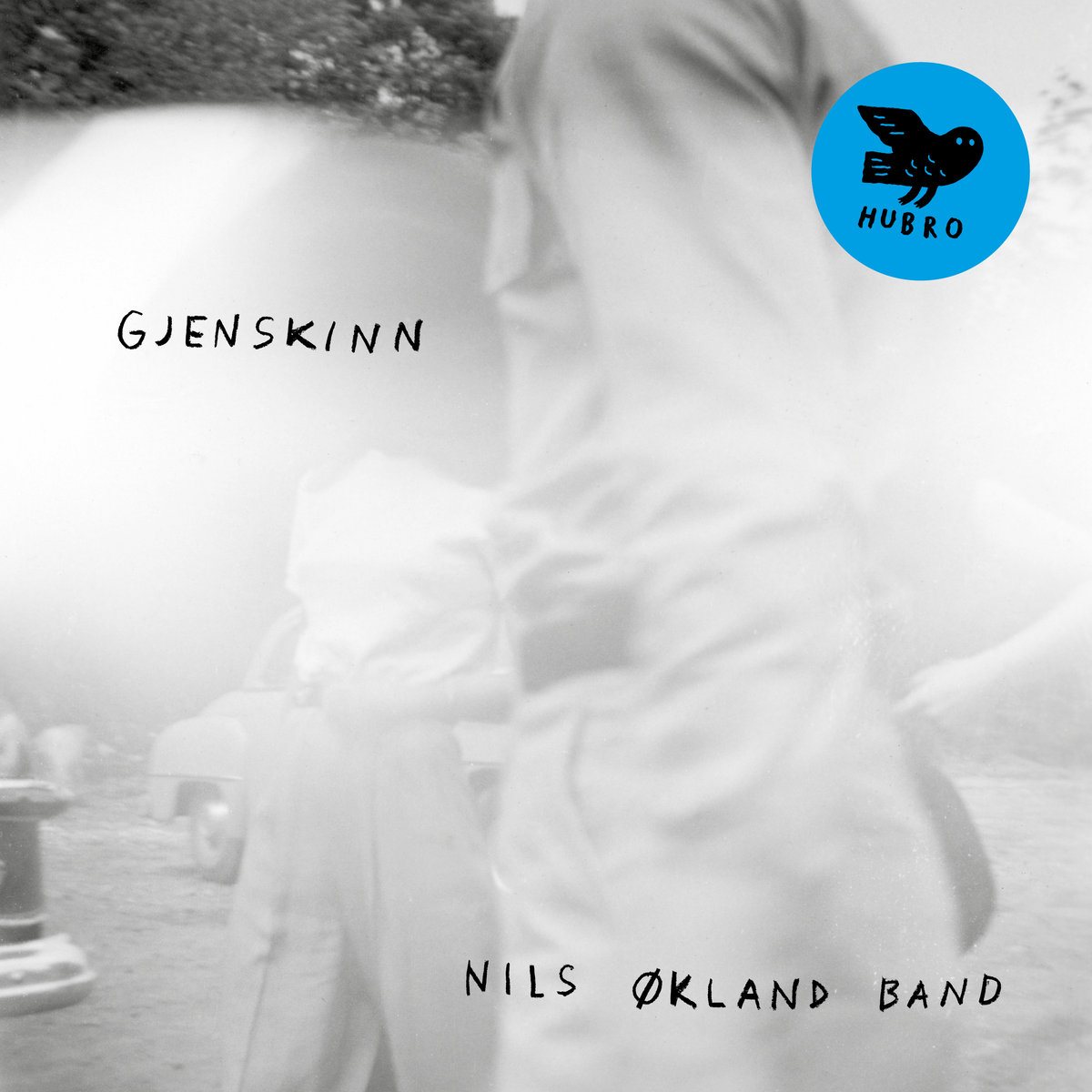
Gjenskinn, released by Hubro on 1 March 2024, is the third album by the band he has kept together since Kjølvatn appeared on ECM in 2015 and Lysning followed on Hubro in 2017. The line-up is unchanged: Rolf-Erik Nystrøm on alto and baritone saxophones, Sigbjørn Apeland on harmonium and Fender Rhodes, Mats Eilertsen on double bass and Håkon Mørch Stene on percussion, vibraphone and electronics. Some of these relationships go back much further. Apeland, Eilertsen and Stene were already on Bris, the Rune Grammofon record Økland made in 2004, and Apeland and Økland have been a duo for thirty years, most recently on Glimmer for ECM. That history is audible. Nobody on Gjenskinn plays to be noticed.
The title translates roughly as reflection or afterglow, and the record was assembled slowly, across sessions at ABC-Studio in late 2021 and MusikkLoftet the following year. The pieces read as a private map of where Økland has been listening. Kairo takes its cue from the Cairo flutist Ahmed El Arnab, the fiddle bending toward a modal, breath-led phrasing that a Norwegian tune would never ask for. Tilley Plump nods to the Shetland fiddler Lell Robertson, and here the band lets a dance rhythm surface before Stene's vibraphone and Nystrøm's baritone blur its edges. Minimalvals, all three minutes of it, is exactly what it says: a waltz reduced to its skeleton, the harmonium wheezing under it like an old church in winter.
What holds this together is not eclecticism but restraint. Apeland's harmonium and Rhodes give the music its floor, a slightly out-of-tune warmth that keeps the fiddle from floating into chamber-music politeness. Nystrøm, who can be a ferocious player elsewhere, mostly shadows the melody. Eilertsen and Stene work as colour rather than engine. The result sits somewhere between the Nordic chamber-jazz of Christian Wallumrød, whose ensemble Økland has recorded with, and the older, slower logic of the tunes he grew up around.
The band's previous records collected Norwegian Grammy nominations and, for Lysning, a win. Gjenskinn is less obviously a statement, and better for it. It sounds like five people who no longer need to prove the Hardanger fiddle belongs in this company, and who have moved on to the more interesting question of what it can reflect.