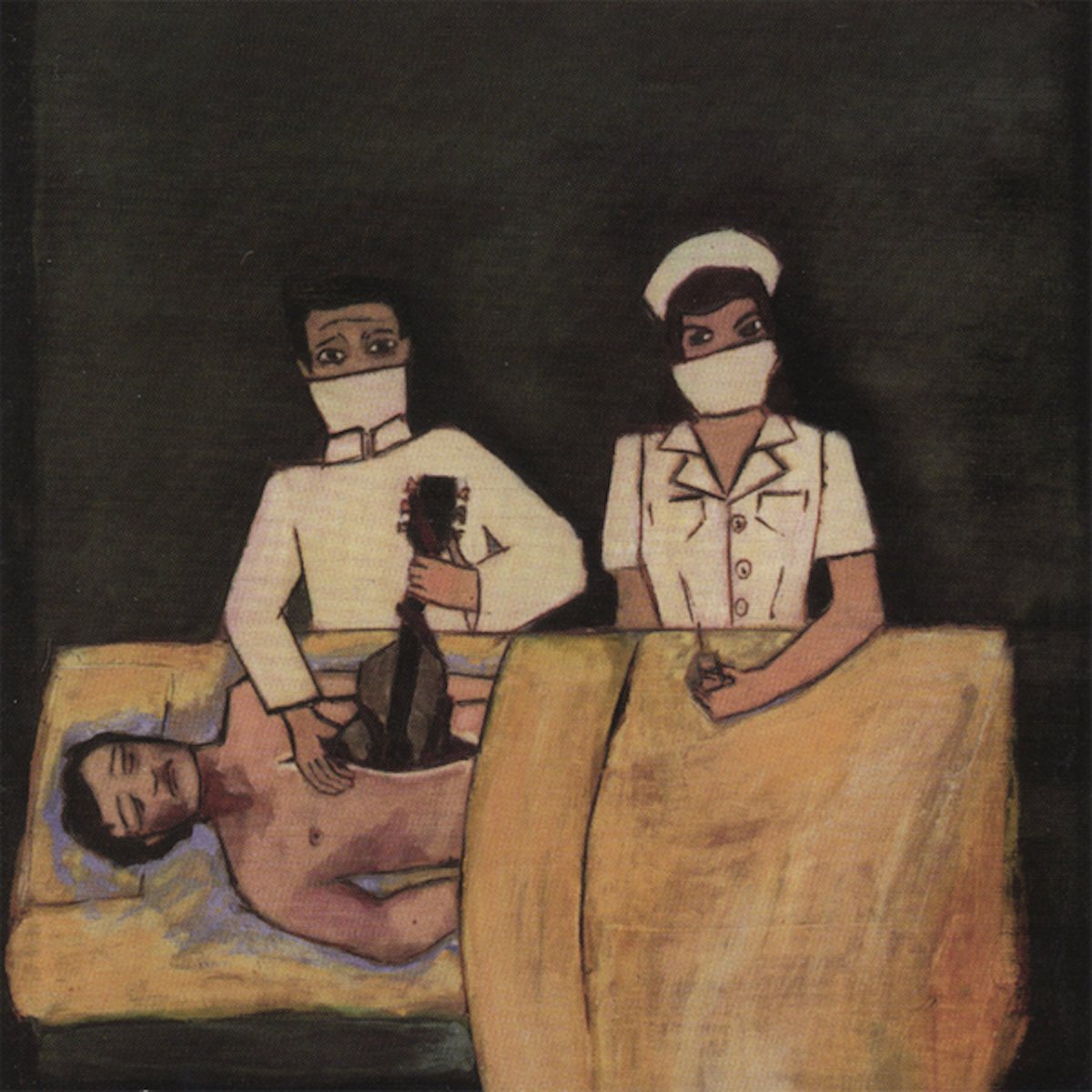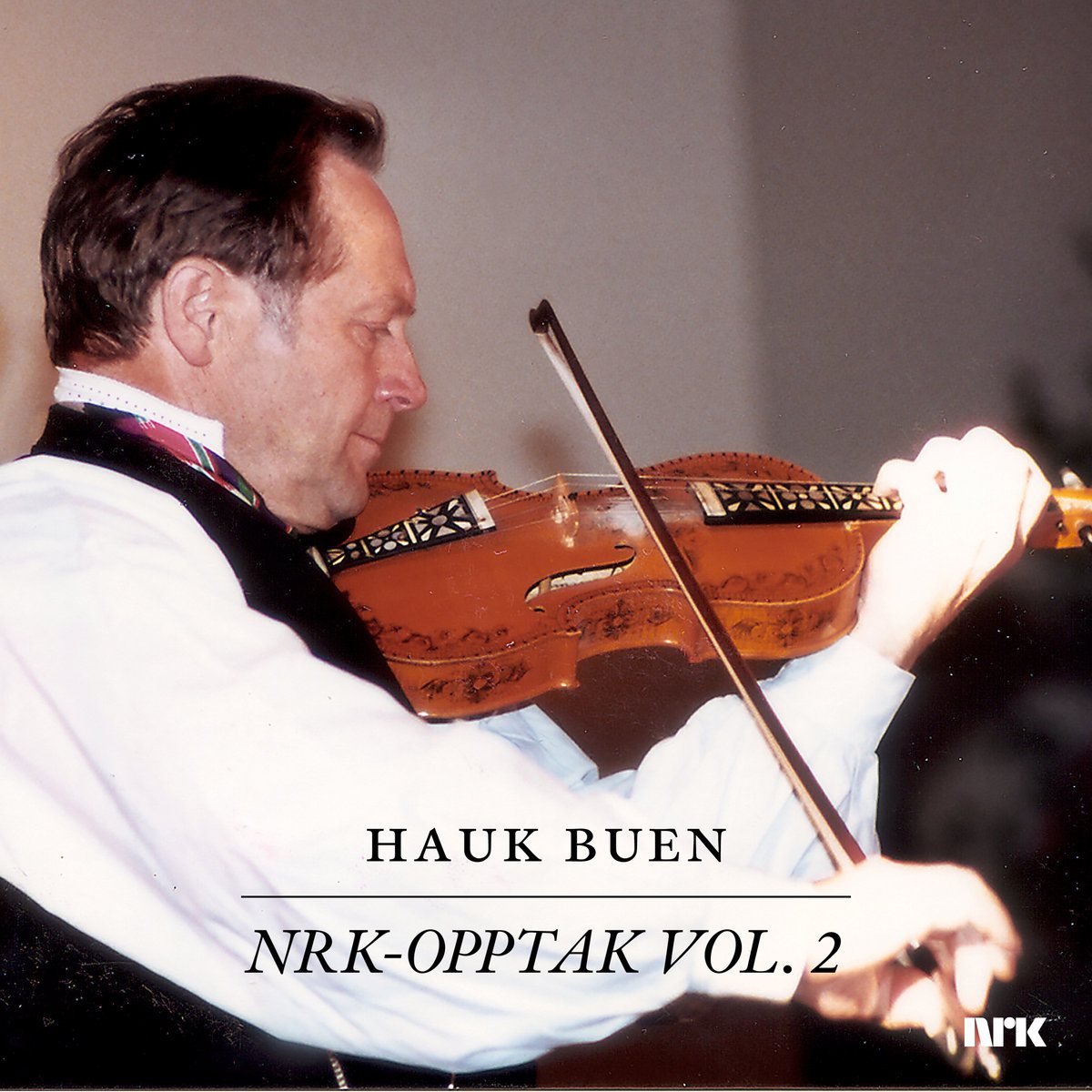
The Hardanger fiddle does not travel well on record. Its sympathetic strings ring under the melody like a second player in the room, its tunings shift from tune to tune, and the dance rhythms it carries lean on a lilt that notation flattens. NRK-opptak, Vol 2, released by ta:lik in September 2022, is a rare exception: thirty pieces recorded for Norwegian radio between 1977 and 1988, sequenced so that a listener with no Norwegian can simply follow the bow.
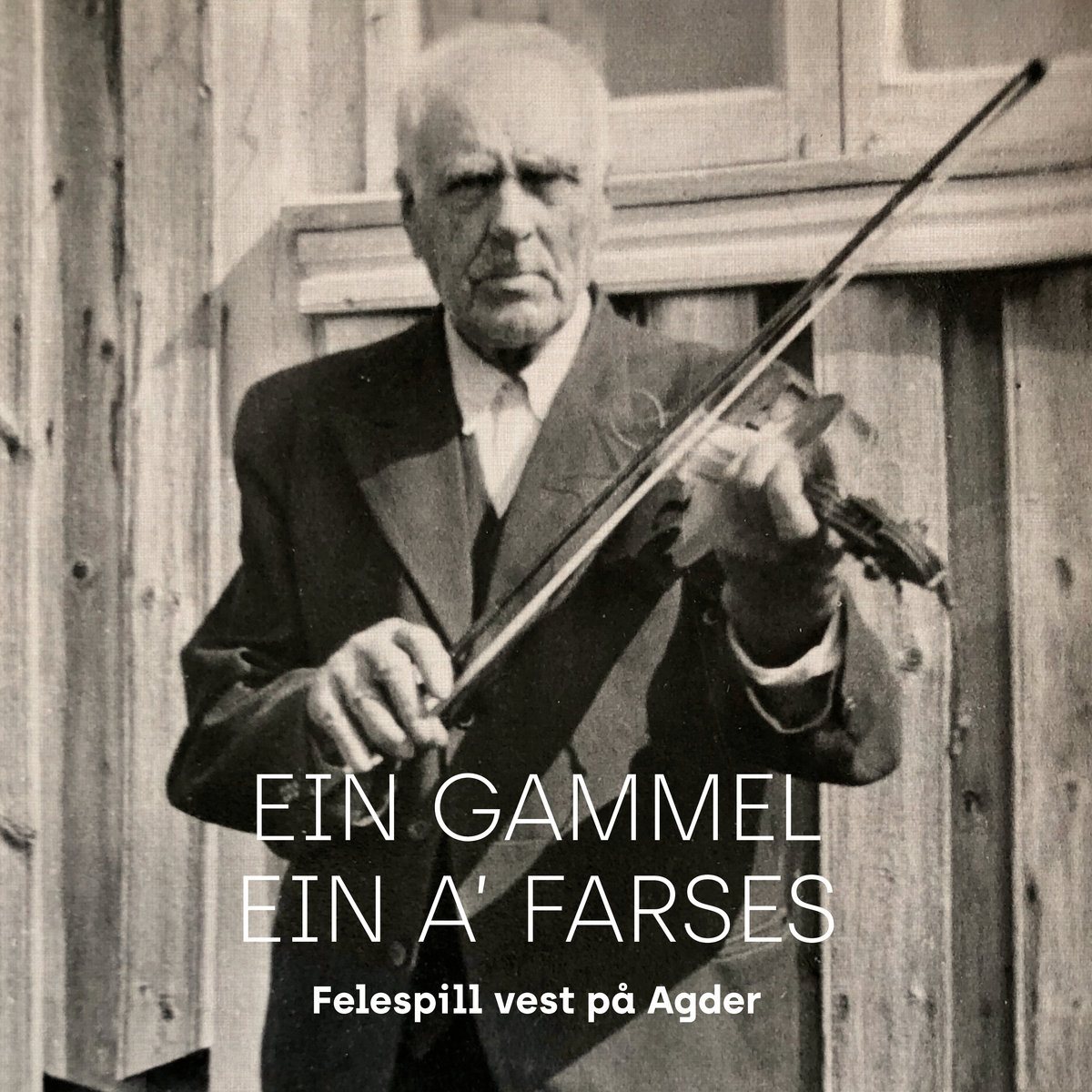
Hauk Buen was born in 1933 on the Buen farm in Jondalen, a valley above Kongsberg on the Telemark border, and he ran that farm for most of his life. His father Anders was a fiddler and a respected fiddle maker; his mother Margit sang. His younger siblings became national figures in their own right, the fiddler and folklorist Knut Buen and the singer Agnes Buen Garnås, but Hauk was the first of the three to break through, winning the national Landskappleiken competition in 1962 and again in 1963. What he carried was the East Telemark repertoire that runs through Svein Løndal of Tuddal, Lars Fykerud of Sauherad and Johannes Dahle of Tinn, a lineage of springars and gangars whose ornaments differ from valley to valley.
Those years between 1977 and 1988 are the point where technique and confidence line up. The set opens with Myllargutens draum, a 1977 springar tied to the legendary nineteenth-century fiddler Myllarguten, and closes with Markensmåndagen from 1988, a tune named for the Monday of the Kongsberg market. In between there are listening pieces such as Rosa, where the tempo loosens and the fiddle turns almost vocal, and dance tunes like Signe where the pulse is so firm you can hear the floor. Buen's attack is the thing to listen for: hard, close to the bridge, with a bite on the downbeat that never quite resolves into smoothness.
He was also a builder. Working from his father's knowledge and his own ear, Buen made instruments prized on both sides of the Atlantic, and in 1997 he taught as master fiddler at the Hardanger Fiddle Association of America's workshop in Minnesota. Younger players, among them Annbjørg Lien, learned tunes from him directly. With Knut he recorded Myllargutens minne and Fykerud'n in 1992, the latter taking the Spellemannsprisen, and in 2003 the King's Medal of Merit in gold acknowledged the whole of it: player, maker, farmer, teacher.
Buen died in March 2021. The following year, Hallgrim Berg, who had followed him for half a century, published the biography Men så kom Hauk Buen, with two CDs of NRK recordings from 1956 onward chosen by Per Anders Buen Garnås. The two NRK-opptak volumes are the digital companion to that project, and this second one is the stronger argument. Nothing here is softened for export; it is the tradition as it sounded while it was still working music.