Chu Da Hye trained to sing at actual shaman's rites before she ever stood in front of a rock band. She holds a Seodo Sori credential, the vocal style native to the western regions of old Korea, and spent years as a member of SsingSsing, the six-piece who turned that repertoire into a touring novelty for Western audiences after their NPR Tiny Desk set landed in 2017. When that group went quiet, Chu did not.
CHUDAHYE CHAGIS, the band she leads now with Lee Si-moon on guitar, Kim Jae-ho on bass and Kim Da-bin on drums, calls itself a psychedelic shamanic funk act, and the description is more literal than most self-genre-tags manage. This is not folk music with a backbeat bolted on. It is muga, the vocal repertoire of Korean shamanic ritual, run through jazz voicings, reggae rhythm sections and the occasional techno pulse, with Chu's trained intonation left mostly untouched in the middle of it.
SOSUMINJOK, the band's second album, arrived in 2025 after a five-year silence.
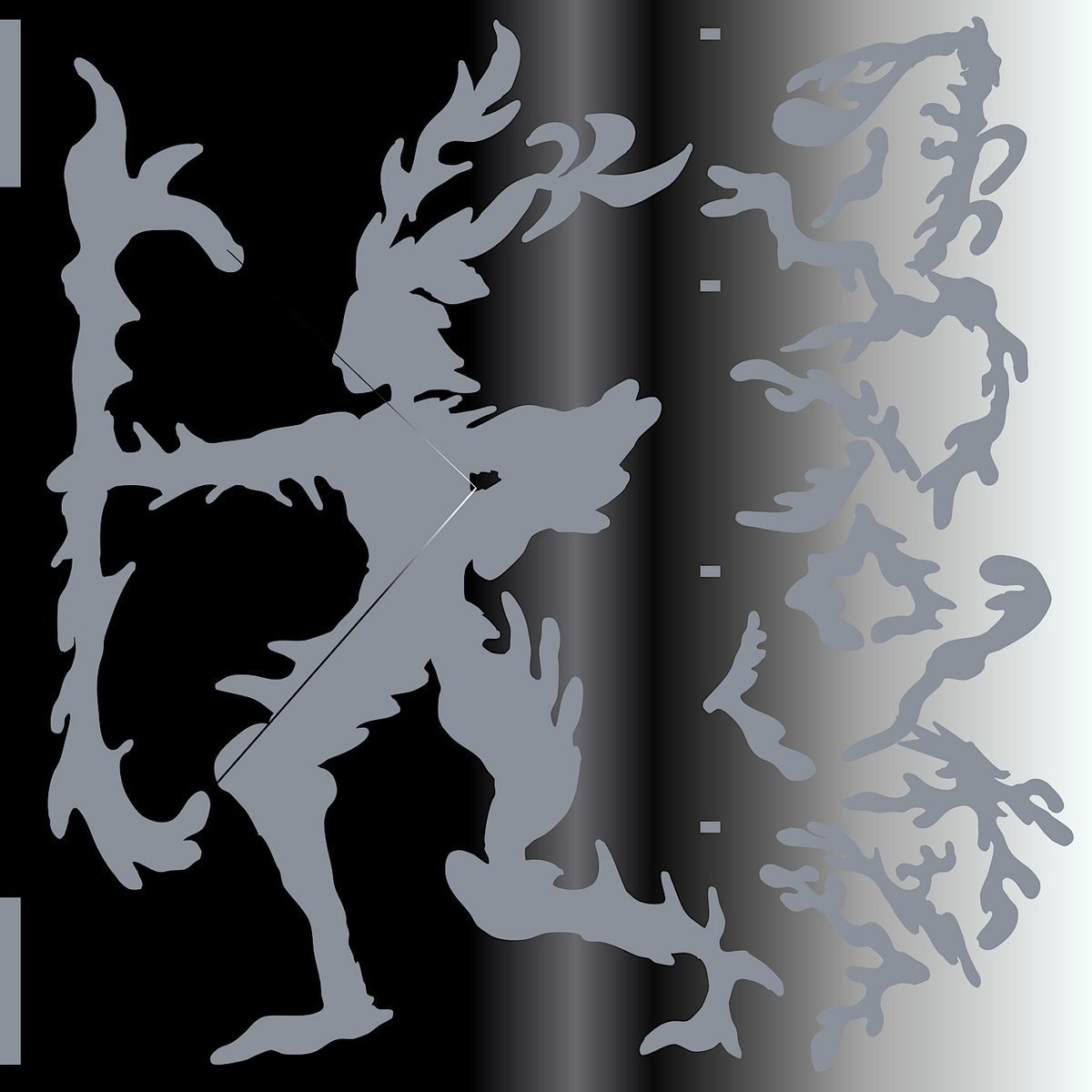
The title translates as Minority, and the nine tracks treat that word as both a social fact and a musical method. 'Between' leans on chord voicings closer to a jazz quartet than anything in the gugak tradition. 'Bugi' sits on a reggae rhythm. 'Feed Well Farewell' pushes toward techno without abandoning the vocal line underneath it. The most striking transposition is 'Heosse!', which draws on Pudasi, an exorcism rite specific to Jeju Island, and sets Chu's elongated ritual phrasing against minor-key guitar that plays less like accompaniment and more like a rock frontman's swagger. 'Jakdu: Standing on Blades' takes its title from the sword-walking ritual performed by shamans balanced on blade edges, a fittingly precarious image for a record that keeps two traditions in tension rather than resolving them into fusion for its own sake.
In February 2026, the Korean Music Awards named SOSUMINJOK Album of the Year and gave 'Heosse!' the prize for Best R&B & Soul Song, a rare instance of a committee built around indie and alternative credibility rewarding something this explicitly rooted in ritual practice rather than genre polish.
What separates CHUDAHYE CHAGIS from the wider wave of gugak-adjacent acts currently finding audiences outside Korea is that Chu is not simplifying her training to make it legible. The shamanic material stays intact, cadence and all, while the band around her keeps shifting genre underneath it, so the record never settles into a single register long enough to become background listening. It demands the same attention a rite would.