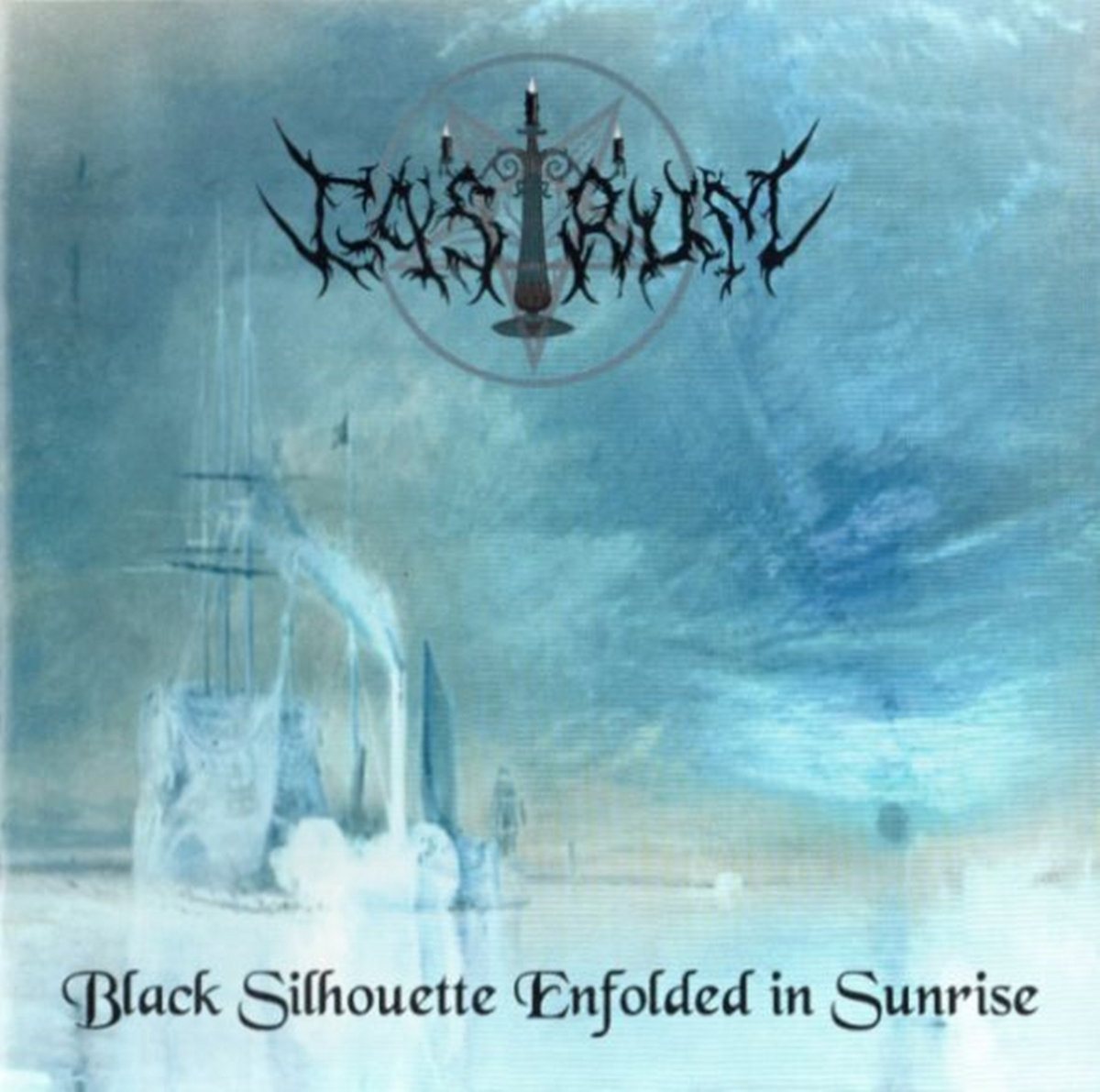
Castrum recorded Black Silhouette Enfolded in Sunrise over twelve nights in November 1997, in a home studio in Rijeka they called, without much modesty, Studio Castrum. Croatia was three years out of a war that had reached to within a few hours' drive of the city. None of that is audible in the music, which is exactly the point.
The band had formed in 1995 around guitarist and keyboard player Insanus and vocalist Morsus Sordahl, adding bassist and drummer Fra. Mortes and guitarist Dirgloch by the time they went into the studio. What made the record work, though, is Lara S., credited for violin and what the sleeve calls "weeping female vocals" - a role that does exactly what it says, threading a genuinely mournful string line and wordless keening through songs with titles like "A Symphony in Moonlight and Night" and "Obscurity Within Funeral Moon".
The sleeve credits are almost as evocative as the music: artwork by Karin Hofbauer, filed under the memorable job title "morbid graphic realization", and photography by Fra. Mortes, Insanus and a third contributor, Mirna D. - the visual side of the record made, like everything else on it, in-house.
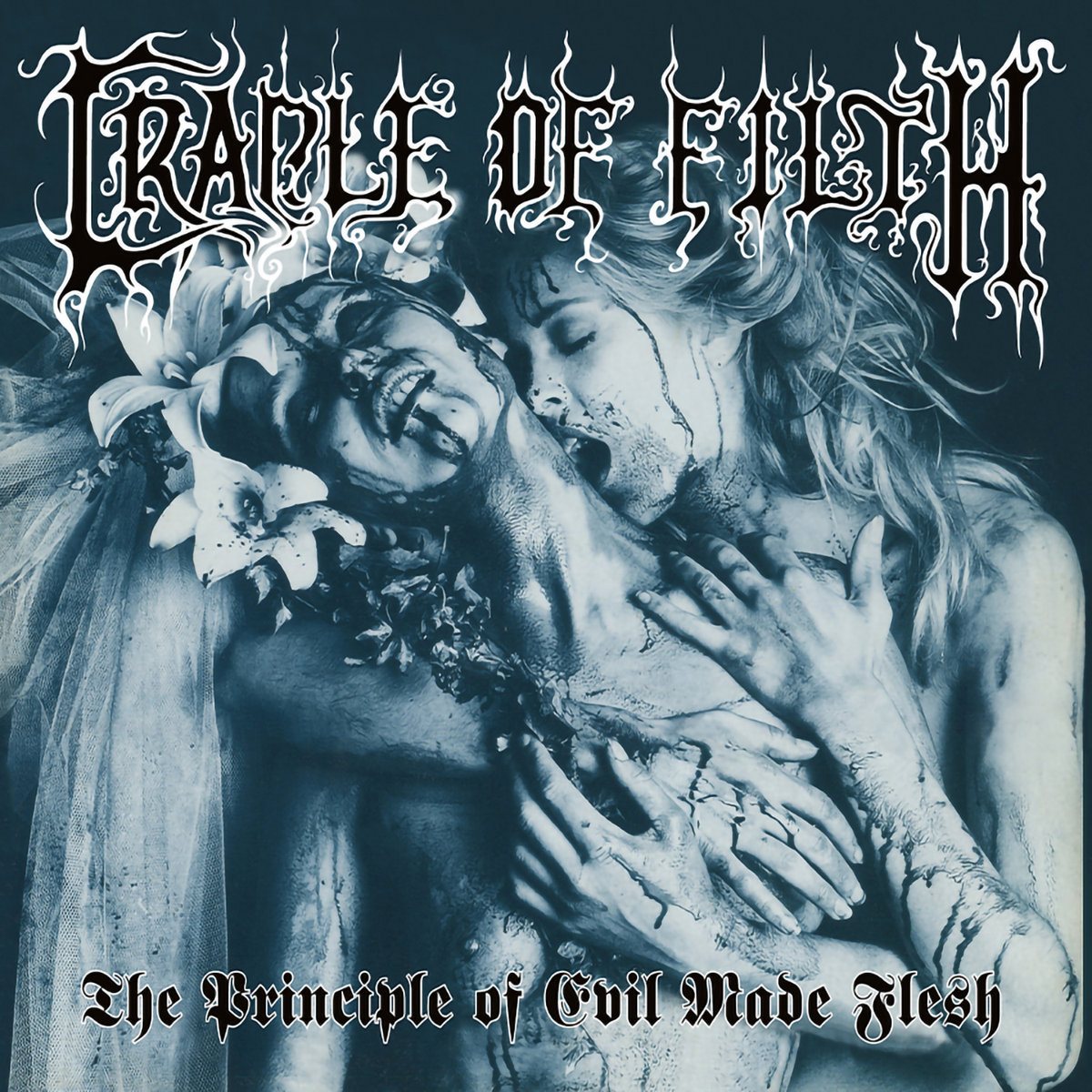
It's an unfashionable kind of vampirism, closer to the sentimental Gothic novel than to folklore - all mirrors, moonlight and funeral moons, dripping with the same orchestral theatre that Cradle of Filth had just made commercially viable in Britain. Castrum weren't hiding the influence. They were, in 1998, one of very few Balkan bands with the production and the songwriting to make the comparison flattering rather than embarrassing.
That's a bigger deal than it sounds.
Extreme metal's international circuit in the late '90s ran almost entirely through Scandinavia, the UK and Germany; a self-produced tape out of Rijeka had to be exceptional simply to get a hearing, let alone a contract. Folter Records signed Castrum on the strength of that demo alone, releasing the album in 1998 and giving a band well outside the genre's usual geography exactly the reach it needed.
Castrum's tenderest joke lands on track four, a plain piano instrumental called, without any apparent irony, "Tears of Piano". It's the kind of unpolished, unguarded gesture home-studio records used to allow themselves.
None of which stopped it from lasting.
The band followed it with In the Horizons of the Dying Theatre in 2000 - notable for a "metal-ized" arrangement of a Croatian folk song - before splitting up not long after. Insanus resurfaced in Gorthaur's Wrath, keeping Rijeka's small, self-sufficient black metal scene alive well after Castrum itself was gone.