Reggae's map of Britain runs through London, Birmingham and Bristol more often than it runs through Wolverhampton, but that is where Pamela Ross grew up, singing over her father's sound system from the age of eight.
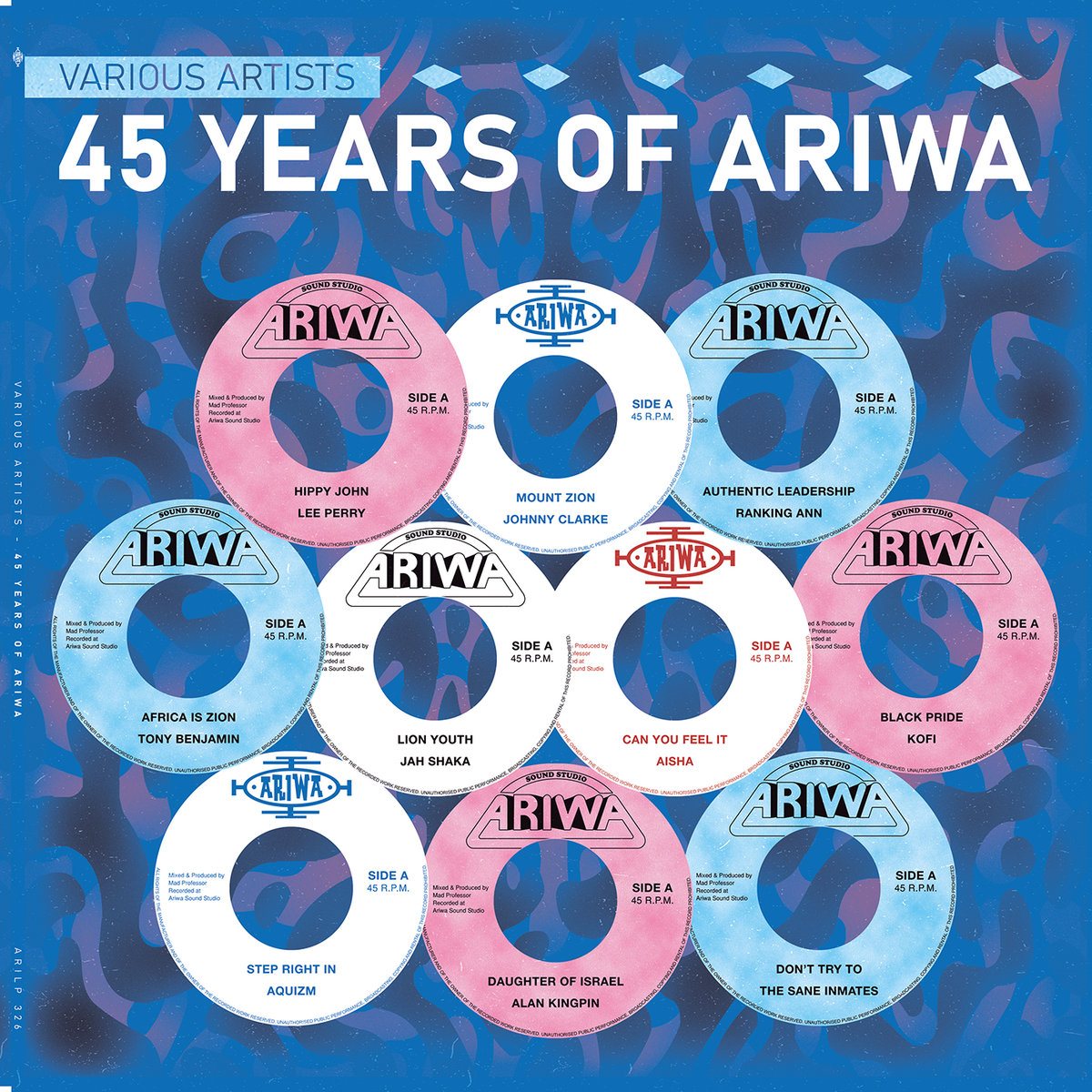
By sixteen she had moved on to Locks City, a sound system run by the selector Lippy, where she worked the mic over dub plates rather than pressed records. Three years later she auditioned successfully as a backing singer for Capital Letters, the Midlands roots band who had already carried a regional reggae scene onto national stages. It was 1984 before she went out under her own name, Aisha, and it was her father, together with the singer Dr Alimantado, who brought her down to Neil Fraser's Ariwa studio in Peckham.
Fraser remembers the session as almost accidental in its speed. "We put her together with our musicians, put on some tracks, and bam," he says. He had, by his own account, just taken some lessons from Lee Perry on handling vocals, and applied them directly here. "And it worked."
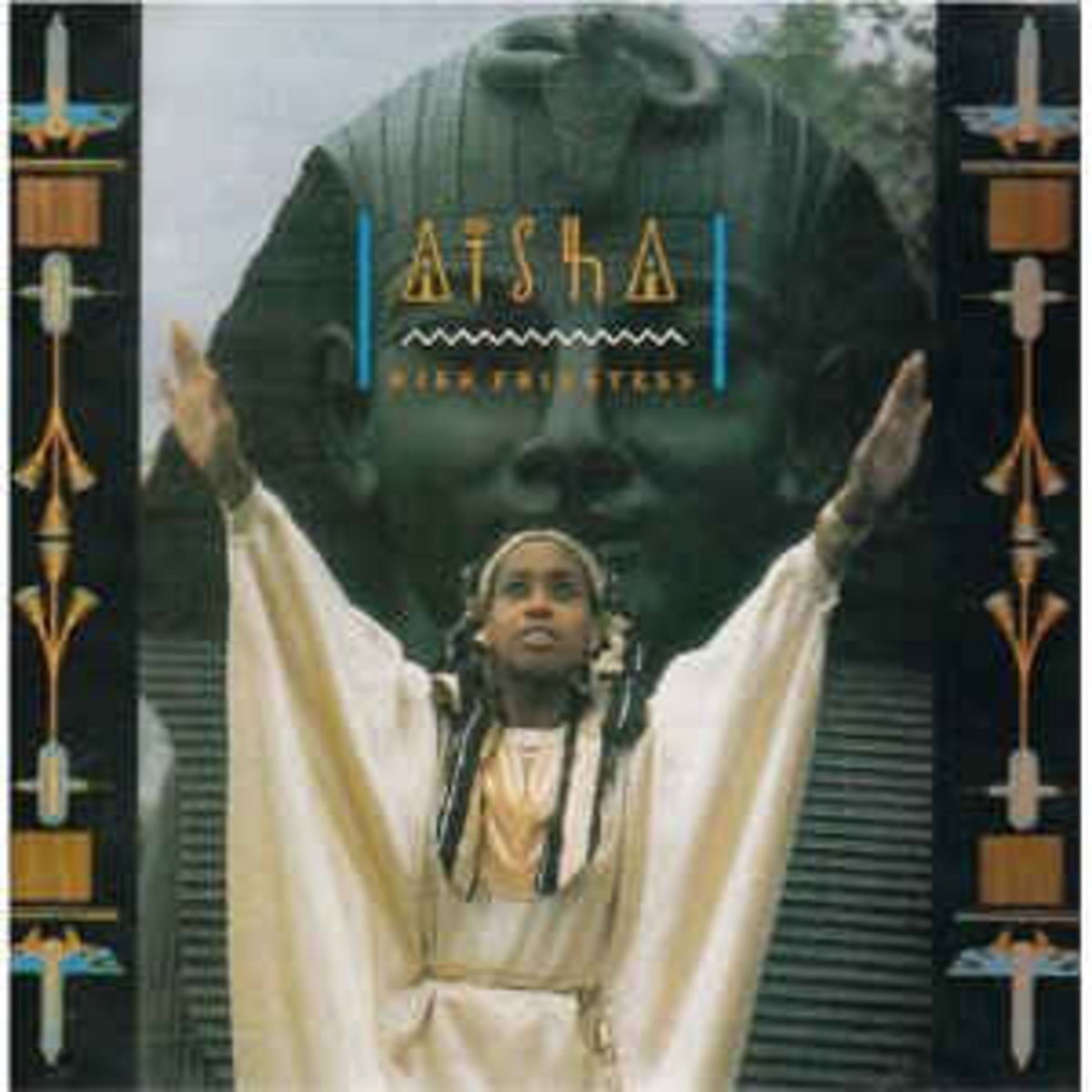
The results, gathered as High Priestess and released on Ariwa in 1987, sound like a singer who had already spent a decade learning to project over a sound system's bass bins and had no trouble doing the same over a sixteen-track studio band. The album's centre of gravity is The Creator, five minutes and forty-seven seconds built on a horn-flecked, minor-key rhythm from the Ariwa regulars Black Steel and Macka Dub, with Drumtan Ward and the Robotiks on drums. It sits at the heavier, more devotional end of the label's output, closer to the roots tradition of Prophecy and Downpressor, the two tracks that follow it on the second side, than to the lovers' rock records Ariwa is often remembered for.
The track has had a longer afterlife than most of the label's catalogue. Producers as different as the London dub artist Burial and the Brazilian rap-rock band O Rappa have built new records around its rhythm and vocal in the years since Fraser first ran the tape.
What holds High Priestess together is that phrasing: a voice trained on sound-system call-and-response, applied to lyrics that lean toward warning and testimony rather than romance. Evil Spirits and Tribulation open the record in that register, This Battle closes it the same way, and Black Steel's name sits somewhere in nearly every credit on the sleeve — bass, keyboards, guitar, backing vocals — the same quiet constant running through so much of what Ariwa put out of that Peckham basement in the mid-Eighties.