Lucid, which Micah Thomas put out himself in June, opens with a piece called "O", the slowest foundation of the record, and takes its time letting you know five people are in the room. It closes with "spacetime" and "final", two pieces improvised outright at the end of the sessions at Power Station at Berklee NYC. Between those points is the most patient music of his career, and the patience is the point. In his liner notes Thomas says he wanted to carve into the silence rather than the sound, to build an ecosystem in which things happen that seem independent, even random, and yet give life to whatever surrounds them, with a band that gets around corners just in time.
Thomas was born in 1997 in Columbus, Ohio, where he came up through the Columbus Youth Jazz Orchestra and studied with trumpeter Byron Stripling and violinist Christian Howes before leaving for Juilliard on a Jerome L. Greene Fellowship in 2015. The year he finished his master's there, 2020, was also the year two records announced him at once: his own debut Tide, a trio with bassist Dean Torrey and drummer Kyle Benford recorded live at the Kitano Hotel in May 2019, and Immanuel Wilkins's Blue Note debut Omega, on which Thomas was the pianist. One showed a young player with an enormous appetite for the piano's history; the other showed him folding it into somebody else's band without crowding it.
A trio record, Reveal, landed on a major best-of-2023 list; Mountains, a septet, followed in 2024. He held commission residencies at The Jazz Gallery and then Roulette, and his sideman list runs from Joshua Redman and Ambrose Akinmusire to Joel Ross and Melissa Aldana. What critics noticed early, that he could turn up the intensity without raising the volume, has become his subject rather than his trick.
Lucid gives that subject a band built for it. Wilkins on alto, trombonist Kalia Vandever, bassist Thomas Morgan and drummer Lesley Mok all think compositionally in real time. Four pieces, "Door", "Frontier", "Box Heart" and "Holiday", pair brief written passages with improvised responses; "Interface" and "Logic" come closer to melody over changes. On "Interface" Mok never picks up a stick, and the pulse still moves like weather, a pressure you feel more than hear. "night", at nearly thirteen minutes, thins out as it goes and asks how long expectation can be held. What makes it work is that nobody rushes to resolve anything: Morgan's silences are as structural as his notes, Wilkins plays as if each phrase costs him something, and Thomas's own lines land like single stones in still water. It is the rare record where the quietest passages are the most tense.
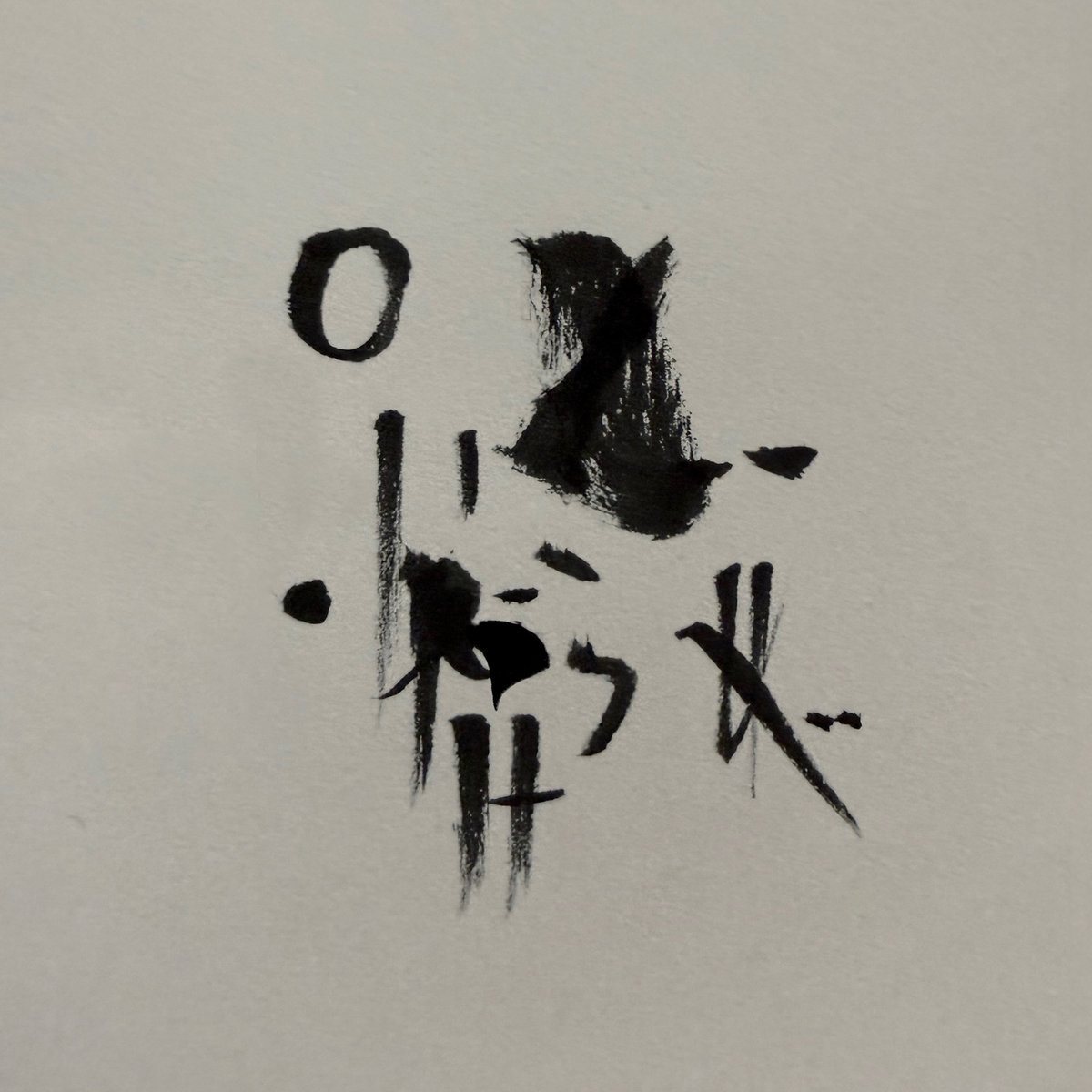
Funded by a grant from The Shifting Foundation and wearing a cover Thomas designed himself, Lucid is a quiet argument that restraint, done at this level, is a form of nerve.